
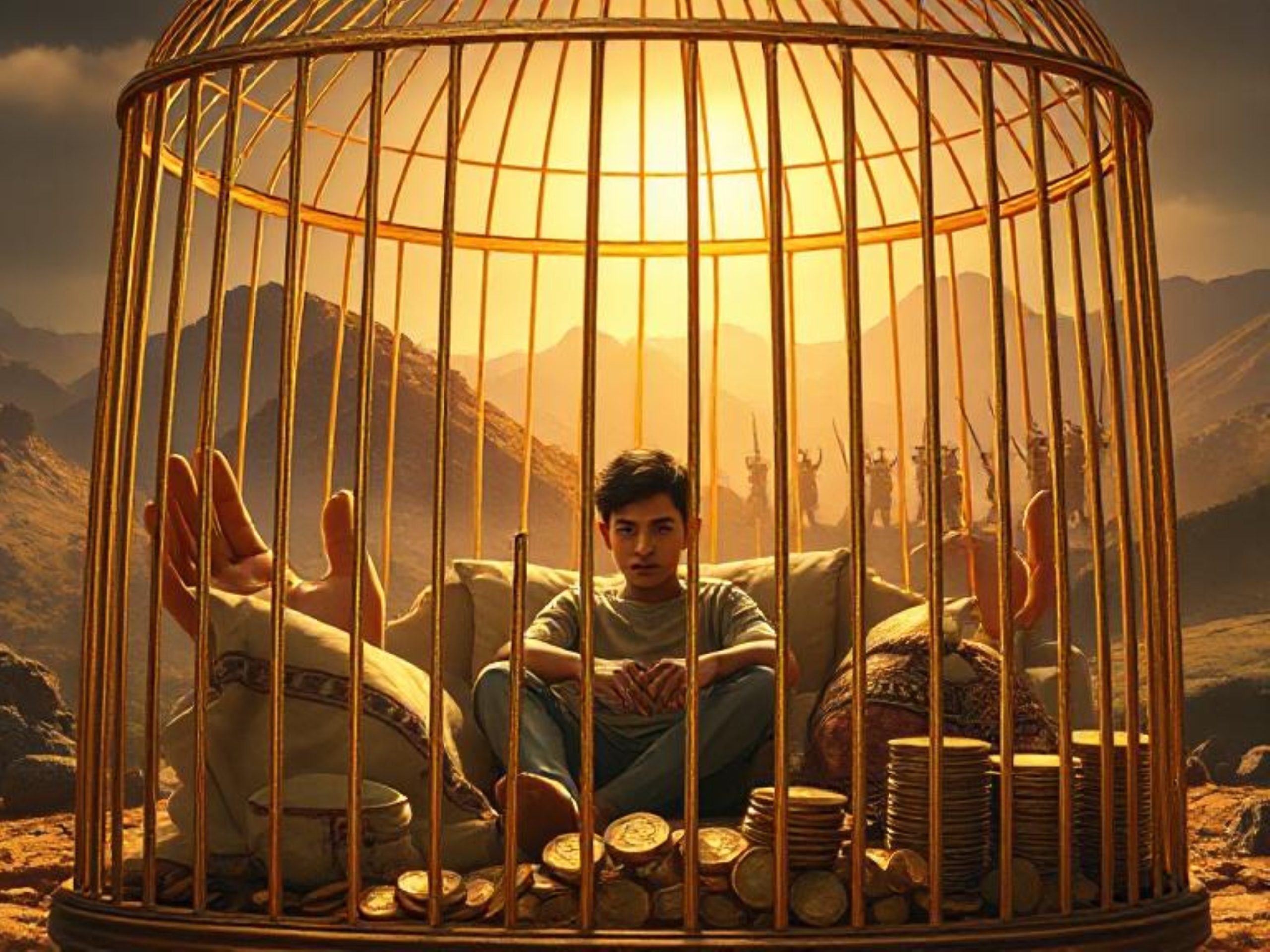
One of the striking paradoxes of human existence is the enigma of receiving exactly what contradicts one’s intention.
The modern world has perfected the art of protecting the oppressed, with such sophistication that entire social groups and even the state proudly wear the badge of “protectors.” Laudable? Of course. Admirable? Certainly. Necessary? Without question. 𝙔𝙚𝙩 𝙥𝙧𝙤𝙩𝙚𝙘𝙩𝙞𝙤𝙣, 𝙡𝙞𝙠𝙚 𝙨𝙪𝙜𝙖𝙧, 𝙞𝙨 𝙨𝙬𝙚𝙚𝙩𝙚𝙨𝙩 𝙞𝙣 𝙢𝙤𝙙𝙚𝙧𝙖𝙩𝙞𝙤𝙣—𝙛𝙤𝙧 𝙬𝙝𝙚𝙣 𝙤𝙫𝙚𝙧𝙞𝙣𝙙𝙪𝙡𝙜𝙚𝙙, 𝙞𝙩 𝙧𝙤𝙩𝙨 𝙩𝙝𝙚 𝙫𝙚𝙧𝙮 𝙩𝙚𝙚𝙩𝙝 𝙤𝙛 𝙘𝙤𝙪𝙧𝙖𝙜𝙚.
The instinct to protect begins nobly—in families, across species. It forms the bedrock of a baby’s survival. But therein also begins the tale of side effects. 𝙋𝙧𝙤𝙩𝙚𝙘𝙩𝙞𝙤𝙣, 𝙬𝙝𝙚𝙣 𝙨𝙬𝙤𝙡𝙡𝙚𝙣 𝙗𝙚𝙮𝙤𝙣𝙙 𝙥𝙧𝙤𝙥𝙤𝙧𝙩𝙞𝙤𝙣, 𝙩𝙪𝙧𝙣𝙨 𝙞𝙣𝙩𝙤 𝙖 𝙘𝙖𝙜𝙚. 𝙏𝙝𝙚 𝙘𝙝𝙞𝙡𝙙 𝙤𝙣𝙘𝙚 𝙨𝙝𝙞𝙚𝙡𝙙𝙚𝙙 𝙗𝙚𝙘𝙤𝙢𝙚𝙨 𝙨𝙝𝙖𝙘𝙠𝙡𝙚𝙙, 𝙜𝙧𝙤𝙬𝙞𝙣𝙜 𝙘𝙤𝙢𝙥𝙡𝙖𝙘𝙚𝙣𝙩 𝙖𝙩 𝙗𝙚𝙨𝙩, 𝙚𝙣𝙨𝙡𝙖𝙫𝙚𝙙 𝙖𝙩 𝙬𝙤𝙧𝙨𝙩—𝙛𝙤𝙧𝙚𝙫𝙚𝙧 𝙚𝙭𝙥𝙚𝙘𝙩𝙞𝙣𝙜 𝙥𝙖𝙢𝙥𝙚𝙧𝙞𝙣𝙜, 𝙥𝙨𝙮𝙘𝙝𝙤𝙡𝙤𝙜𝙞𝙘𝙖𝙡𝙡𝙮 𝙧𝙚𝙜𝙧𝙚𝙨𝙨𝙞𝙣𝙜 𝙞𝙣𝙩𝙤 𝙡𝙞𝙛𝙚𝙡𝙤𝙣𝙜 𝙞𝙣𝙛𝙖𝙣𝙘𝙮. The irony? Protection that was meant to forge strength, ends by breeding weakness.
The scriptures knew this well. 𝙏𝙝𝙚 𝙈𝙖𝙝𝙖𝙗𝙝𝙖𝙧𝙖𝙩𝙖 𝙖𝙣𝙙 𝙍𝙖𝙢𝙖𝙮𝙖𝙣𝙖 𝙘𝙤𝙣𝙛𝙧𝙤𝙣𝙩 𝙡𝙞𝙛𝙚’𝙨 𝙧𝙖𝙬 𝙧𝙚𝙖𝙡𝙞𝙩𝙞𝙚𝙨, 𝙣𝙤𝙩 𝙘𝙤𝙢𝙛𝙤𝙧𝙩𝙞𝙣𝙜 𝙖𝙨𝙨𝙪𝙢𝙥𝙩𝙞𝙤𝙣𝙨. Poverty, that dreaded ghost of the modern age, once blazed as the spark that ignited adventure and grit. Look at India’s mercantile communities—most sprang from barren lands stripped of resources. Yet their very lack became their fuel. With nothing to lose but life itself, they gambled—and from that gamble arose resilience and wealth. Fast forward to their great- grandchildren: pampered heirs, polished in communication, technologically suave perhaps, yet strangely bereft of ancestral courage.
𝘐𝘯 𝘧𝘢𝘤𝘵, 𝘢 𝘨𝘳𝘢𝘥𝘶𝘢𝘵𝘦 𝘰𝘧 𝘏𝘢𝘳𝘷𝘢𝘳𝘥 𝘉𝘶𝘴𝘪𝘯𝘦𝘴𝘴 𝘚𝘤𝘩𝘰𝘰𝘭 (𝘰𝘧 𝘢𝘭𝘭 𝘱𝘭𝘢𝘤𝘦𝘴) 𝘳𝘦𝘤𝘦𝘯𝘵𝘭𝘺 𝘳𝘦𝘮𝘢𝘳𝘬𝘦𝘥 𝘵𝘩𝘢𝘵 88% 𝘰𝘧 𝘧𝘢𝘮𝘪𝘭𝘺 𝘸𝘦𝘢𝘭𝘵𝘩 𝘦𝘷𝘢𝘱𝘰𝘳𝘢𝘵𝘦𝘴 𝘣𝘺 𝘵𝘩𝘦 𝘵𝘩𝘪𝘳𝘥 𝘨𝘦𝘯𝘦𝘳𝘢𝘵𝘪𝘰𝘯. 𝘛𝘩𝘦 𝘴𝘤𝘳𝘪𝘱𝘵 𝘳𝘶𝘯𝘴 𝘸𝘪𝘵𝘩 𝘴𝘵𝘢𝘳𝘬 𝘱𝘳𝘦𝘥𝘪𝘤𝘵𝘢𝘣𝘪𝘭𝘪𝘵𝘺:
1) 𝙁𝙞𝙧𝙨𝙩 𝙜𝙚𝙣𝙚𝙧𝙖𝙩𝙞𝙤𝙣 (𝙩𝙝𝙚 𝙛𝙤𝙪𝙣𝙙𝙚𝙧): Poor, disciplined, sacrificing, visionary—building from scratch.
2) 𝙎𝙚𝙘𝙤𝙣𝙙 𝙜𝙚𝙣𝙚𝙧𝙖𝙩𝙞𝙤𝙣 (𝙩𝙝𝙚 𝙞𝙣𝙝𝙚𝙧𝙞𝙩𝙤𝙧/ 𝙚𝙭𝙥𝙖𝙣𝙙𝙚𝙧): Comfortable yet mindful of struggle. Expands the wealth, less frugal but still disciplined.
3) 𝙏𝙝𝙞𝙧𝙙 𝙜𝙚𝙣𝙚𝙧𝙖𝙩𝙞𝙤𝙣 (𝙩𝙝𝙚 𝙘𝙤𝙣𝙨𝙪𝙢𝙚𝙧/ 𝙨𝙥𝙚𝙣𝙙𝙚𝙧): Born into luxury, with no memory of struggle. Pursues enjoyment, mismanages wealth, and watches the empire collapse.
Human psychology carries a wicked sense of humor—families and schools know these truths, yet race headlong to pile on more comforts, more consumerism, ensuring their children and students are trained not for productivity or creativity, but for entitlement. Adventure, that priceless offspring of deprivation, is methodically erased.
The military, at least, has not lost the plot. An army cannot afford comfort. Generation after generation, its training remains the same—tough, grueling, unrelenting. Soldiers are forged antifragile, not pampered. Ironically, some separatists warring against the state were not subdued by bullets but by free food and resources dropped from the sky. Once supplied with comforts, their zeal simply evaporated. How poetic.
𝙏𝙝𝙚 𝙜𝙪𝙧𝙪𝙠𝙪𝙡 𝙨𝙮𝙨𝙩𝙚𝙢 𝙪𝙣𝙙𝙚𝙧𝙨𝙩𝙤𝙤𝙙 𝙩𝙝𝙞𝙨 𝙘𝙚𝙣𝙩𝙪𝙧𝙞𝙚𝙨 𝙖𝙜𝙤. 𝙎𝙩𝙪𝙙𝙚𝙣𝙩𝙨 𝙡𝙞𝙫𝙚𝙙 𝙗𝙮 𝙗𝙚𝙜𝙜𝙞𝙣𝙜, 𝙣𝙤𝙩 𝙗𝙮 𝙛𝙚𝙖𝙨𝙩𝙞𝙣𝙜 𝙞𝙣 𝙖𝙞𝙧-𝙘𝙤𝙣𝙙𝙞𝙩𝙞𝙤𝙣𝙚𝙙 𝙘𝙖𝙣𝙩𝙚𝙚𝙣𝙨. 𝙏𝙝𝙖𝙩 𝙨𝙞𝙢𝙥𝙡𝙚 𝙛𝙤𝙤𝙙, 𝙚𝙖𝙧𝙣𝙚𝙙 𝙞𝙣 𝙝𝙪𝙢𝙞𝙡𝙞𝙩𝙮, 𝙩𝙧𝙖𝙞𝙣𝙚𝙙 𝙧𝙚𝙨𝙞𝙡𝙞𝙚𝙣𝙘𝙚, 𝙣𝙚𝙜𝙤𝙩𝙞𝙖𝙩𝙞𝙤𝙣, 𝙖𝙣𝙙 𝙘𝙧𝙚𝙖𝙩𝙞𝙫𝙞𝙩𝙮. 𝙁𝙤𝙧 𝙩𝙝𝙚𝙢, 𝙩𝙤𝙪𝙜𝙝𝙣𝙚𝙨𝙨 𝙬𝙖𝙨 𝙣𝙤𝙩 𝙖 𝙗𝙪𝙧𝙙𝙚𝙣 𝙩𝙤 𝙚𝙣𝙙𝙪𝙧𝙚 𝙗𝙪𝙩 𝙩𝙝𝙚 𝙫𝙚𝙧𝙮 𝙜𝙧𝙤𝙪𝙣𝙙 𝙩𝙝𝙚𝙮 𝙨𝙩𝙤𝙤𝙙 𝙪𝙥𝙤𝙣.
𝙏𝙝𝙚𝙧𝙚𝙛𝙤𝙧𝙚, 𝙬𝙝𝙚𝙩𝙝𝙚𝙧 𝙞𝙩 𝙞𝙨 𝙆𝙪𝙣𝙩𝙞 𝙞𝙣 𝙩𝙝𝙚 𝙈𝙖𝙝𝙖𝙗𝙝𝙖𝙧𝙖𝙩𝙖 𝙤𝙧 𝙋𝙡𝙖𝙩𝙤 𝙞𝙣 𝙩𝙝𝙚 𝙍𝙚𝙥𝙪𝙗𝙡𝙞𝙘, 𝙩𝙝𝙚 𝙘𝙖𝙡𝙡 𝙞𝙨 𝙩𝙝𝙚 𝙨𝙖𝙢𝙚: 𝙧𝙖𝙞𝙨𝙚 𝙝𝙚𝙧𝙤𝙞𝙘 𝙘𝙝𝙞𝙡𝙙𝙧𝙚𝙣 𝙬𝙝𝙤 𝙠𝙣𝙤𝙬 𝙩𝙝𝙚 𝙩𝙖𝙨𝙩𝙚 𝙤𝙛 𝙜𝙞𝙫𝙞𝙣𝙜, 𝙨𝙝𝙖𝙧𝙞𝙣𝙜, 𝙖𝙣𝙙 𝙨𝙖𝙘𝙧𝙞𝙛𝙞𝙘𝙚. 𝙏𝙝𝙚𝙨𝙚 𝙖𝙧𝙚 𝙣𝙤𝙩 “𝙫𝙖𝙡𝙪𝙚𝙨” 𝙩𝙤 𝙗𝙚 𝙥𝙧𝙚𝙖𝙘𝙝𝙚𝙙 𝙛𝙧𝙤𝙢 𝙖 𝙥𝙖𝙢𝙥𝙚𝙧𝙚𝙙 𝙨𝙤𝙛𝙖; 𝙩𝙝𝙚𝙮 𝙖𝙧𝙚 𝙢𝙪𝙨𝙘𝙡𝙚𝙨 𝙗𝙪𝙞𝙡𝙩 𝙩𝙝𝙧𝙤𝙪𝙜𝙝 𝙙𝙚𝙥𝙧𝙞𝙫𝙖𝙩𝙞𝙤𝙣. 𝙎𝙚𝙡𝙛𝙞𝙨𝙝𝙣𝙚𝙨𝙨 𝙞𝙨 𝙣𝙤𝙩 𝙢𝙚𝙧𝙚𝙡𝙮 𝙖 𝙢𝙞𝙣𝙙𝙨𝙚𝙩—𝙞𝙩 𝙞𝙨 𝙖 𝙗𝙤𝙙𝙞𝙡𝙮 𝙘𝙤𝙣𝙙𝙞𝙩𝙞𝙤𝙣𝙞𝙣𝙜 𝙩𝙝𝙖𝙩 𝙝𝙖𝙧𝙙𝙚𝙣𝙨 𝙞𝙣𝙩𝙤 𝙢𝙞𝙣𝙙𝙨𝙚𝙩. Surround a child with luxury and recite tales of sacrifice—what will they become other than entitled dreamers, squandering not only wealth but also values and courage?
𝙏𝙝𝙚 𝙈𝙖𝙝𝙖𝙗𝙝𝙖𝙧𝙖𝙩𝙖 𝙞𝙣𝙨𝙞𝙨𝙩𝙨 𝙤𝙣 𝙩𝙚𝙖𝙘𝙝𝙞𝙣𝙜 𝙡𝙞𝙛𝙚 𝙖𝙨 𝙞𝙩 𝙞𝙨. 𝘼𝙣𝙙 𝙎𝙧𝙞 𝙆𝙧𝙞𝙨𝙝𝙣𝙖, 𝙩𝙝𝙚 𝙢𝙖𝙨𝙩𝙚𝙧 𝙨𝙩𝙧𝙖𝙩𝙚𝙜𝙞𝙨𝙩, 𝙙𝙤𝙚𝙨 𝙣𝙤𝙩 𝙨𝙤𝙛𝙩𝙚𝙣 𝙩𝙝𝙚 𝙋𝙖𝙣𝙙𝙖𝙫𝙖’𝙨 𝙨𝙩𝙧𝙪𝙜𝙜𝙡𝙚𝙨—𝙃𝙚 𝙨𝙝𝙖𝙧𝙥𝙚𝙣𝙨 𝙩𝙝𝙚𝙢. Without Krishna, Arjuna might have escaped the battlefield, settling for an illusory, deceptive “peaceful” life. But Krishna shook him awake—“Such peace is cowardice; such existence is worthless.” Thus Arjuna embraced the challenge, trembling yet resolute. And it is never easy—whether your name is Arjuna, Santosh, Sameer, or Ameer.
𝙎𝙤, 𝙞𝙛 𝙡𝙚𝙜𝙖𝙘𝙮 𝙩𝙧𝙪𝙡𝙮 𝙢𝙖𝙩𝙩𝙚𝙧𝙨, 𝙧𝙖𝙞𝙨𝙚 𝙩𝙝𝙚𝙢 𝙩𝙤𝙪𝙜𝙝, 𝙧𝙖𝙞𝙨𝙚 𝙩𝙝𝙚𝙢 𝙖𝙣𝙩𝙞𝙛𝙧𝙖𝙜𝙞𝙡𝙚. 𝙊𝙩𝙝𝙚𝙧𝙬𝙞𝙨𝙚, 𝙥𝙧𝙚𝙥𝙖𝙧𝙚 𝙩𝙤 𝙗𝙚𝙘𝙤𝙢𝙚 𝙩𝙝𝙚 𝙣𝙚𝙭𝙩 “𝙘𝙖𝙨𝙚 𝙨𝙩𝙪𝙙𝙮” 𝙤𝙛 𝙛𝙖𝙢𝙞𝙡𝙞𝙚𝙨 𝙬𝙝𝙤 𝙨𝙦𝙪𝙖𝙣𝙙𝙚𝙧𝙚𝙙 𝙣𝙤𝙩 𝙤𝙣𝙡𝙮 𝙬𝙚𝙖𝙡𝙩𝙝, 𝙗𝙪𝙩 𝙫𝙖𝙡𝙪𝙚𝙨 𝙖𝙣𝙙 𝙨𝙚𝙡𝙛. 𝘼𝙣𝙙 𝙧𝙚𝙢𝙚𝙢𝙗𝙚𝙧—𝙩𝙝𝙞𝙨 𝙞𝙨 𝙣𝙤𝙩 𝙢𝙮 𝙫𝙚𝙧𝙙𝙞𝙘𝙩. 𝙔𝙤𝙪𝙧 𝙃𝙖𝙧𝙫𝙖𝙧𝙙 𝙨𝙖𝙮𝙨 𝙨𝙤.
– Govind Das (ISKCON MEMBER)