Speaking to children raised in alternative education systems reveals the raw, unshaped brilliance of human potential waiting to be awakened.
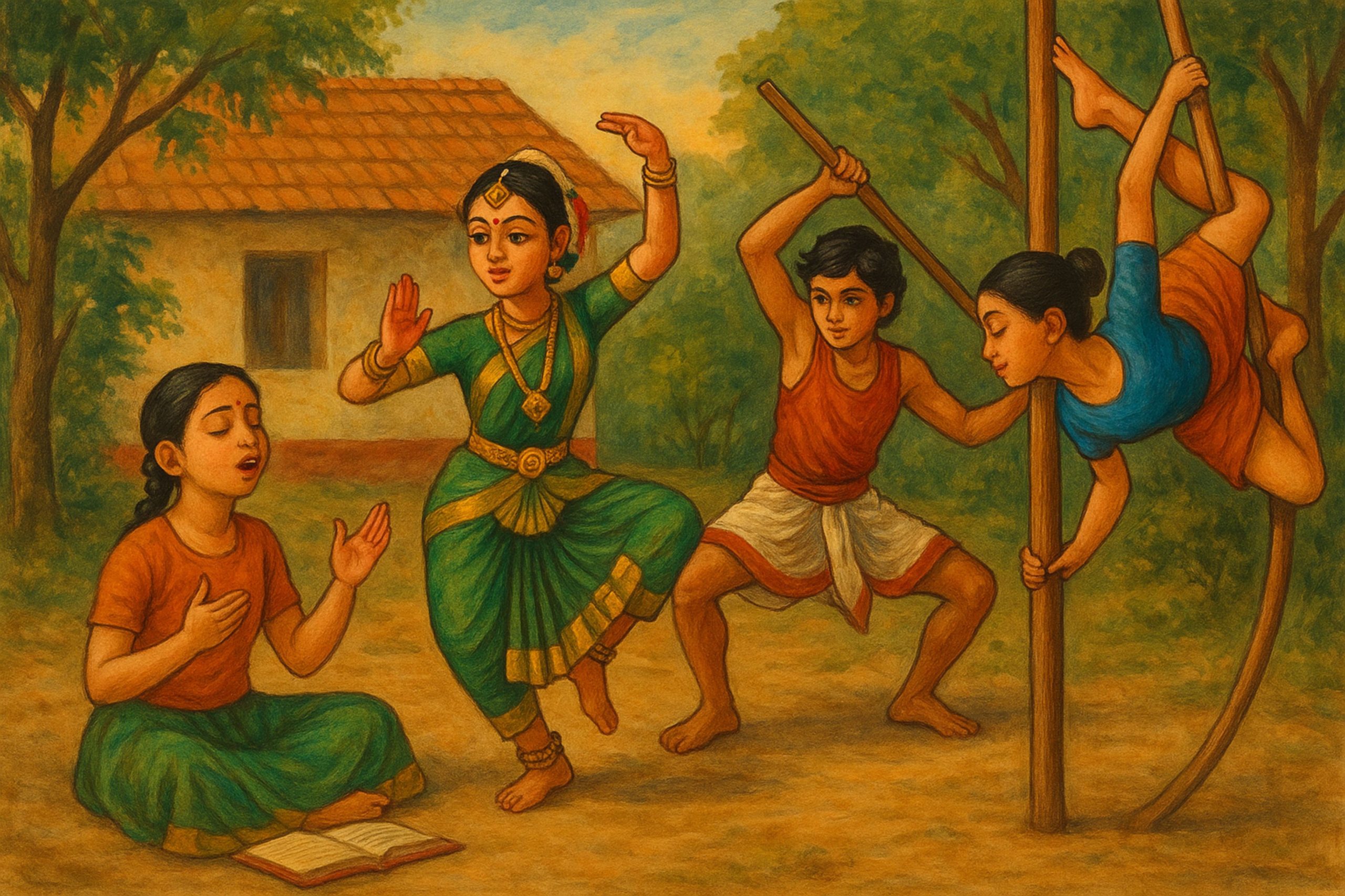
I have watched them for years—children who once merely hummed a tune, now rising as accomplished singers. Those who once placed a hesitant step in Bharatanatyam, now moving with effortless grace. Students who began with simple stretches, now striking firm moves in Kalaripayattu. And what to say of Mallakhamb practitioners, whose bodies twist and turn around the pole with such command, as if gravity itself had given way.
Academics here are never overpushed, yet when exams arrive, results still shine in flying colors. What makes these children “special”? Nothing concealed—only steady effort. Day after day, teachers investing time and discipline. Whether students were eager at first or not made no difference. Training continued—and interest followed, born naturally from practice.
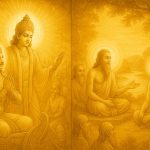
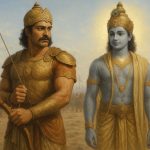
This is the same principle we find in the Mahabharata. What made Arjuna stand out was not just enthusiasm or noble intentions, but relentless investment of time in perfecting archery. When Arjuna once asked Sri Krishna who was more skillful—Duryodhana or Bhima—Krishna did not hesitate. “Bhima is immensely powerful, but skill belongs to Duryodhana.” Why? Because Duryodhana practiced day and night. Bhima, for one year, even worked as a cook. Only through maya, through strategy, could Bhima win. Here Krishna highlights investment, not intent. His analysis is brutally clear: poetic sentiments give short-term relief, but solutions come only through action, discipline, and long preparation.
And this is where we Bhāratīyas often falter. We invest too little in integral growth. We swing to extremes—either leaning entirely on God, expecting Him to do everything, or blindly imitating others in a cut-paste model, without genuine investment of our own.
– Govind Das (ISKCON MEMBER)