𝙏𝙝𝙚𝙧𝙚 𝙞𝙨 𝙣𝙤 𝙘𝙤𝙪𝙣𝙩𝙧𝙮 𝙞𝙣 𝙩𝙝𝙚 𝙬𝙤𝙧𝙡𝙙 𝙖𝙨 𝙘𝙤𝙢𝙥𝙡𝙚𝙭 𝙖𝙨 𝙄𝙣𝙙𝙞𝙖, 𝙖𝙨 𝙢𝙮𝙨𝙩𝙞𝙛𝙮𝙞𝙣𝙜 𝙖𝙨 𝙃𝙞𝙣𝙙𝙪𝙨𝙩𝙝𝙖𝙣, 𝙖𝙣𝙙 𝙖𝙨 𝙖𝙬𝙚-𝙞𝙣𝙨𝙥𝙞𝙧𝙞𝙣𝙜𝙡𝙮 𝙗𝙚𝙬𝙞𝙡𝙙𝙚𝙧𝙞𝙣𝙜 𝙖𝙨 𝘼𝙧𝙮𝙖𝙫𝙧𝙖𝙩𝙖—𝙮𝙚𝙩, 𝙩𝙝𝙧𝙤𝙪𝙜𝙝 𝙚𝙫𝙚𝙧𝙮 𝙨𝙩𝙤𝙧𝙢, 𝙞𝙩 𝙨𝙩𝙖𝙣𝙙𝙨. If not towering above others, it still stands firm, rooted in an unbroken spirit. It may not race ahead at jet speed, but it moves with the steady, unyielding will of a civilization that 𝙝𝙖𝙨 𝙣𝙤𝙩𝙝𝙞𝙣𝙜 𝙩𝙤 𝙥𝙧𝙤𝙫𝙚 𝙩𝙤 𝙩𝙝𝙤𝙨𝙚 𝙬𝙝𝙤 𝙨𝙚𝙚 𝙬𝙤𝙧𝙩𝙝 𝙤𝙣𝙡𝙮 𝙞𝙣 𝙂𝘿𝙋 𝙘𝙝𝙖𝙧𝙩𝙨.
This is Bharat. This is Bhāratī. A land not born of human decree, not carved by royal charters or political bargains, and most certainly not “founded” by British overlords—as the colonized minds masquerading as historians, celebrities, and self-appointed thinkers would have us believe. 𝙄𝙩 𝙞𝙨 𝙣𝙤𝙩 𝙢𝙚𝙧𝙚𝙡𝙮 𝙖 𝙨𝙥𝙤𝙩 𝙢𝙖𝙧𝙠𝙚𝙙 𝙤𝙣 𝙖 𝙢𝙖𝙥, 𝙗𝙪𝙩 𝙖𝙣 𝙚𝙢𝙤𝙩𝙞𝙤𝙣 𝙤𝙡𝙙𝙚𝙧 𝙩𝙝𝙖𝙣 𝙧𝙚𝙘𝙤𝙧𝙙𝙚𝙙 𝙝𝙞𝙨𝙩𝙤𝙧𝙮, 𝙩𝙝𝙚 𝙡𝙞𝙫𝙞𝙣𝙜 𝙚𝙨𝙨𝙚𝙣𝙘𝙚 𝙤𝙛 𝙖 𝙩𝙞𝙢𝙚𝙡𝙚𝙨𝙨 𝙟𝙤𝙪𝙧𝙣𝙚𝙮 𝙩𝙤𝙬𝙖𝙧𝙙 𝙥𝙚𝙧𝙛𝙚𝙘𝙩𝙞𝙤𝙣—𝙖 𝙥𝙖𝙩𝙝 𝙬𝙖𝙡𝙠𝙚𝙙 𝙗𝙮 𝙢𝙞𝙡𝙡𝙞𝙤𝙣𝙨 𝙛𝙤𝙧 𝙢𝙞𝙡𝙡𝙚𝙣𝙣𝙞𝙖. The Fifth Canto of the Śrīmad-Bhāgavatam declares that even the devas long for the rare fortune of being born here.
The great irony? Despite this unbroken legacy, there are those who deny Bharat’s existence as a Rāṣṭra, attempting to reduce it to a mere “collection of states” on the American model—a political construct born of dominion and run for convenience. Yet history is unambiguous: no matter who ruled which part of Bharat, no matter how many kings rose and fell, all recognized its unity.𝙄𝙩 𝙬𝙖𝙨, 𝙖𝙣𝙙 𝙧𝙚𝙢𝙖𝙞𝙣𝙨, 𝙖 𝙘𝙪𝙡𝙩𝙪𝙧𝙖𝙡 𝙞𝙙𝙚𝙣𝙩𝙞𝙩𝙮, 𝙖 𝙨𝙥𝙞𝙧𝙞𝙩𝙪𝙖𝙡 𝙞𝙙𝙚𝙣𝙩𝙞𝙩𝙮, 𝙖𝙣 𝙚𝙢𝙤𝙩𝙞𝙤𝙣𝙖𝙡 𝙞𝙙𝙚𝙣𝙩𝙞𝙩𝙮 𝙛𝙖𝙧 𝙙𝙚𝙚𝙥𝙚𝙧 𝙩𝙝𝙖𝙣 𝙩𝙝𝙚 𝙛𝙡𝙚𝙚𝙩𝙞𝙣𝙜 𝙨𝙩𝙖𝙢𝙥 𝙤𝙛 𝙥𝙤𝙡𝙞𝙩𝙞𝙘𝙖𝙡 𝙗𝙤𝙪𝙣𝙙𝙖𝙧𝙞𝙚𝙨.
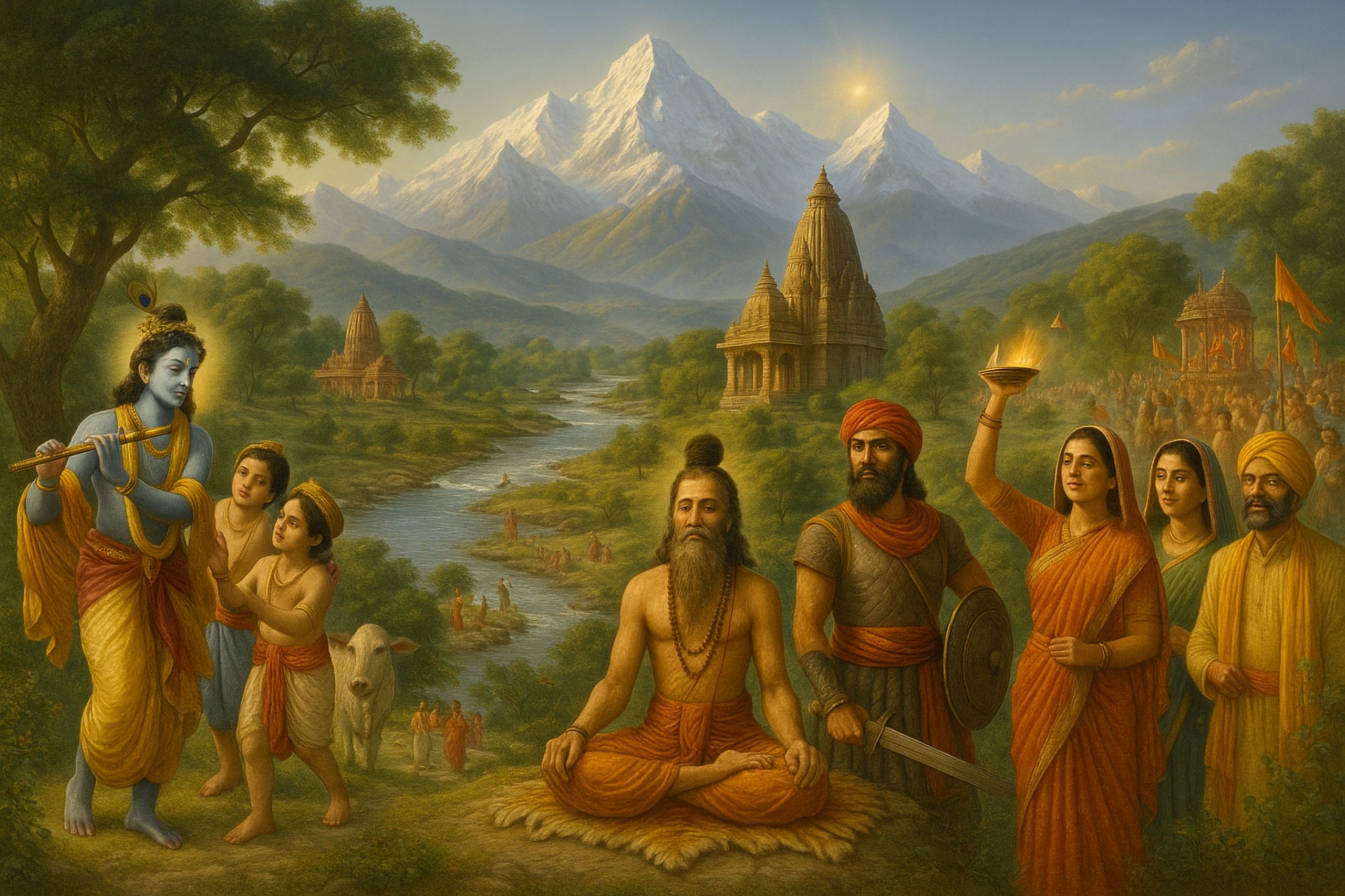
The Bhāgavatam shatters the gibberish of the colonized narrative. It proclaims what Bharata is, naming its mountains—Malaya, Mangal Prastha, Maināka, Trikūṭa, Sahya, Devagiri, Govardhana, Vindhya, and more—and its sacred rivers—Gangā, Yamunā, Sarasvatī, Brahmaputrā, Narmadā, Godāvarī, Kāverī, Gomatī, and dozens besides. 𝙏𝙤 𝙘𝙝𝙖𝙣𝙩 𝙩𝙝𝙚𝙞𝙧 𝙣𝙖𝙢𝙚𝙨 𝙞𝙨 𝙩𝙤 𝙥𝙪𝙧𝙞𝙛𝙮 𝙩𝙝𝙚 𝙝𝙚𝙖𝙧𝙩; 𝙩𝙤 𝙩𝙤𝙪𝙘𝙝 𝙩𝙝𝙚𝙞𝙧 𝙬𝙖𝙩𝙚𝙧𝙨 𝙞𝙨 𝙩𝙤 𝙘𝙡𝙚𝙖𝙣𝙨𝙚 𝙩𝙝𝙚 𝙨𝙤𝙪𝙡. This is Bharata—needing no artificial constitution or imported ideology to define it.
Protecting this understanding of Bharat is the foremost dharma of every Bhāratīya. This duty springs not from petty nationalism or the hunger for political power, but from the quest for cultural and spiritual perfection. Yet, to safeguard this identity, politics and defense become necessary tools, and narrative-building a strategic weapon. 𝙏𝙝𝙚 𝙗𝙖𝙩𝙩𝙡𝙚 𝙛𝙤𝙧 𝙘𝙞𝙫𝙞𝙡𝙞𝙯𝙖𝙩𝙞𝙤𝙣𝙖𝙡 𝙞𝙙𝙚𝙣𝙩𝙞𝙩𝙮 𝙞𝙨 𝙣𝙤𝙩 𝙖 𝙘𝙝𝙤𝙞𝙘𝙚—𝙞𝙩 𝙞𝙨 𝙖𝙣 𝙚𝙭𝙞𝙨𝙩𝙚𝙣𝙩𝙞𝙖𝙡 𝙧𝙚𝙖𝙡𝙞𝙩𝙮.
Bharata has been the sacred stage for every avatāra, countless ṛṣis, and seekers from across the world. It has also been wounded by betrayal from within, when insiders opened its gates to invaders. The scars are deep, the damage undeniable, yet the legacy endures. 𝘽𝙧𝙤𝙠𝙚𝙣 𝙖𝙣𝙙 𝙗𝙚𝙖𝙩𝙚𝙣, 𝘽𝙝𝙖𝙧𝙖𝙩 𝙨𝙩𝙞𝙡𝙡 𝙨𝙩𝙖𝙣𝙙𝙨 𝙡𝙞𝙠𝙚 𝙩𝙝𝙚 𝙃𝙞𝙢𝙖𝙡𝙖𝙮𝙖𝙨—𝙪𝙣𝙮𝙞𝙚𝙡𝙙𝙞𝙣𝙜 𝙞𝙣 𝙨𝙥𝙞𝙧𝙞𝙩.
𝙄𝙩𝙨 𝙨𝙩𝙧𝙚𝙣𝙜𝙩𝙝 𝙡𝙞𝙚𝙨 𝙣𝙤𝙩 𝙞𝙣 𝙪𝙣𝙞𝙛𝙤𝙧𝙢𝙞𝙩𝙮, 𝙗𝙪𝙩 𝙞𝙣 𝙩𝙝𝙚 𝙛𝙚𝙖𝙧𝙡𝙚𝙨𝙨 𝙚𝙢𝙗𝙧𝙖𝙘𝙚 𝙤𝙛 𝙞𝙣𝙛𝙞𝙣𝙞𝙩𝙚 𝙙𝙞𝙫𝙚𝙧𝙨𝙞𝙩𝙮. This power to reconcile the “many into one” is not a borrowed ideal from the secular West—it is woven into the very essence of Sanātana Dharma.
Let us, therefore, perform the yajña of strengthening every Bhāratīya, and with intellect, will, and unity, confront those forces that sow division and selfishness. Let Śrī Viṣṇu protect the builders, and let Mahādeva annihilate the breakers. 𝙇𝙚𝙩 𝘽𝙝𝙖𝙧𝙖𝙩 𝙧𝙞𝙨𝙚—𝙣𝙤𝙩 𝙩𝙤 𝙙𝙤𝙢𝙞𝙣𝙖𝙩𝙚 𝙩𝙝𝙚 𝙬𝙤𝙧𝙡𝙙, 𝙗𝙪𝙩 𝙩𝙤 𝙚𝙢𝙥𝙤𝙬𝙚𝙧 𝙞𝙩.
Jai Śrī Rāma!!
Jai Bharata!!
– Govind Das (ISKCON MEMBER)