𝘕𝘰𝘵 𝘢𝘭𝘭 𝘍𝘰𝘳𝘨𝘪𝘷𝘦𝘯𝘦𝘴𝘴 𝘪𝘴 𝘩𝘰𝘭𝘺—𝘪𝘵𝘴 𝘥𝘦𝘢𝘥𝘭𝘪𝘦𝘴𝘵 𝘮𝘢𝘴𝘬 𝘪𝘴 𝘍𝘢𝘭𝘴𝘦 𝘊𝘰𝘮𝘱𝘢𝘴𝘴𝘪𝘰𝘯
I remember hearing of a man who sheltered the murderer of his own son. The very criminal who had taken his child’s life was given refuge, and the father, though pierced by the greatest loss, displayed what was proclaimed as the “greatest magnanimity” — forgiving and protecting the killer. The story was told to glorify — the greatness of forgiveness. Yet the question burns: was this true greatness, or the dangerous mask of false compassion?
But here lies the problem. 𝘿𝙚𝙘𝙞𝙨𝙞𝙤𝙣𝙨 𝙞𝙣 𝙡𝙞𝙛𝙚, 𝙚𝙨𝙥𝙚𝙘𝙞𝙖𝙡𝙡𝙮 𝙩𝙝𝙤𝙨𝙚 𝙩𝙝𝙖𝙩 𝙨𝙝𝙖𝙥𝙚 𝙩𝙝𝙚 𝙡𝙞𝙫𝙚𝙨 𝙤𝙛 𝙤𝙩𝙝𝙚𝙧𝙨, 𝙘𝙖𝙣𝙣𝙤𝙩 𝙗𝙚 𝙜𝙤𝙫𝙚𝙧𝙣𝙚𝙙 𝙗𝙮 𝙥𝙚𝙧𝙨𝙤𝙣𝙖𝙡 𝙨𝙚𝙣𝙩𝙞𝙢𝙚𝙣𝙩. 𝙆𝙞𝙣𝙙𝙣𝙚𝙨𝙨 𝙤𝙧 𝙘𝙤𝙢𝙥𝙖𝙨𝙨𝙞𝙤𝙣 𝙢𝙖𝙮 𝙖𝙥𝙥𝙚𝙖𝙧 𝙣𝙤𝙗𝙡𝙚, 𝙮𝙚𝙩 𝙗𝙤𝙩𝙝 𝙖𝙧𝙞𝙨𝙚 𝙛𝙧𝙤𝙢 𝙢𝙖𝙩𝙚𝙧𝙞𝙖𝙡 𝙚𝙢𝙤𝙩𝙞𝙤𝙣𝙨, 𝙣𝙤𝙩 𝙣𝙚𝙘𝙚𝙨𝙨𝙖𝙧𝙞𝙡𝙮 𝙛𝙧𝙤𝙢 𝘿𝙝𝙖𝙧𝙢𝙞𝙘 𝙥𝙧𝙞𝙣𝙘𝙞𝙥𝙡𝙚𝙨. It may sound harsh, but forgiveness of this kind is often a sentiment born of selfishness, not of wisdom.
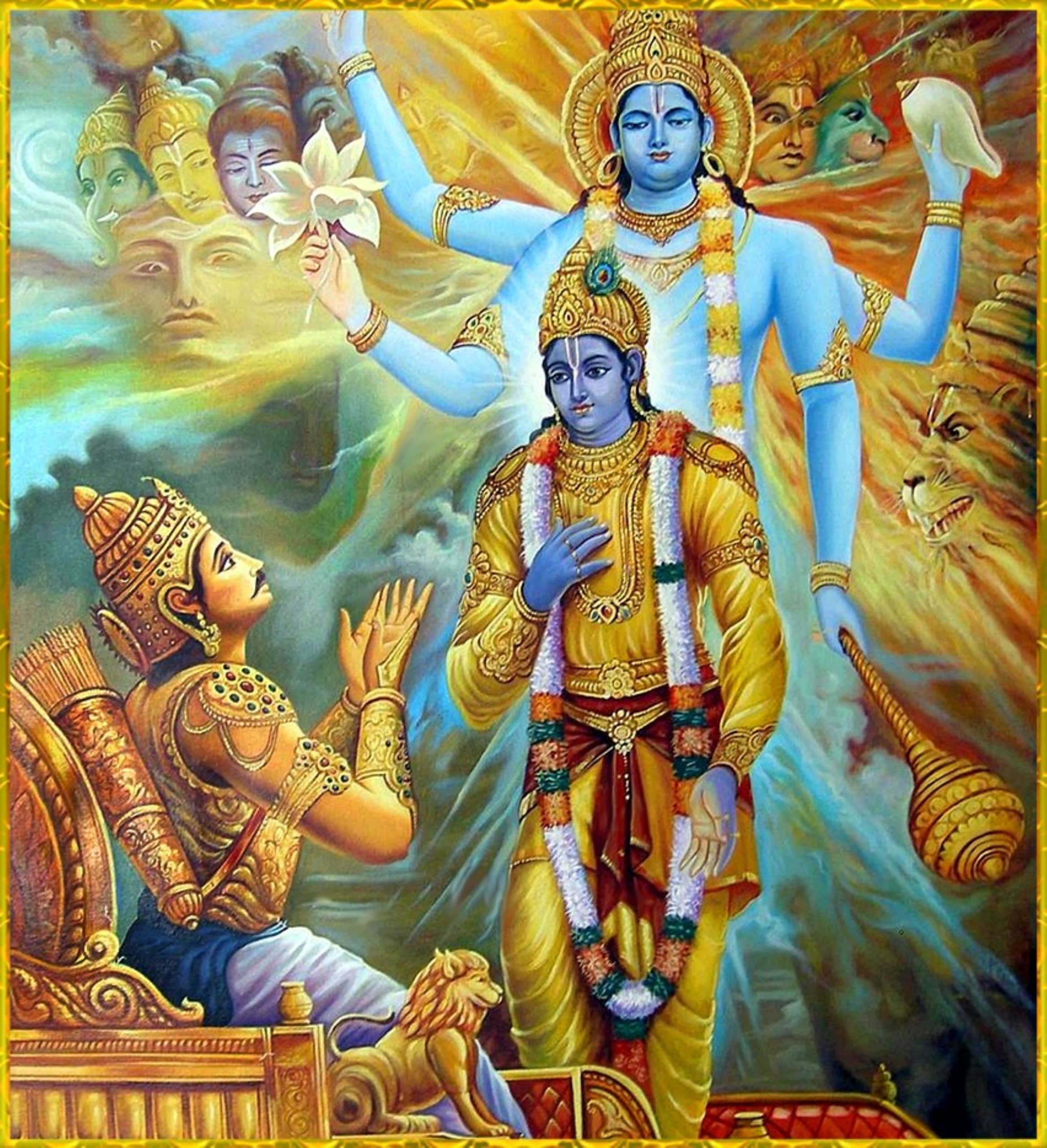
Even Arjuna, the greatest warrior, stumbled into this trap. In the Gita, he gave almost the same argument to Krishna—refusing to fight under the guise of compassion. He even went further, declaring that if the Kurus attacked him with all their weapons, he would not retaliate. At first glance, it sounds profound, as if rising beyond forgiveness itself—embracing even death at the hands of one’s enemies.
Profound it may seem when the matter is purely personal, but here the stakes were far greater. Arjuna’s forgiveness was not merely for himself—it endangered the entire society. To forgive criminals or to spare the Kurus was to cast countless innocents into suffering. That is why Krishna thundered at him: “Arjuna! from where has such contamination arisen? This weakness does not befit a man of valor!”
The lesson is razor-edged. 𝙁𝙤𝙧𝙜𝙞𝙫𝙚𝙣𝙚𝙨𝙨 𝙖𝙣𝙙 𝙠𝙞𝙣𝙙𝙣𝙚𝙨𝙨 𝙖𝙧𝙚 𝙫𝙞𝙧𝙩𝙪𝙚𝙨 𝙤𝙣𝙡𝙮 𝙬𝙝𝙚𝙣 𝙩𝙝𝙚𝙮 𝙖𝙧𝙚 𝙧𝙤𝙤𝙩𝙚𝙙 𝙞𝙣 𝙩𝙝𝙚 𝙬𝙚𝙡𝙛𝙖𝙧𝙚 𝙤𝙛 𝙩𝙝𝙤𝙨𝙚 𝙬𝙝𝙤𝙢 𝙞𝙩 𝙩𝙧𝙪𝙡𝙮 𝙘𝙤𝙣𝙘𝙚𝙧𝙣𝙨. 𝙈𝙞𝙨𝙥𝙡𝙖𝙘𝙚𝙙 𝙠𝙞𝙣𝙙𝙣𝙚𝙨𝙨, 𝙡𝙞𝙠𝙚 𝙢𝙞𝙨𝙥𝙡𝙖𝙘𝙚𝙙 𝙛𝙤𝙧𝙜𝙞𝙫𝙚𝙣𝙚𝙨𝙨, 𝙞𝙨 𝙣𝙤 𝙫𝙞𝙧𝙩𝙪𝙚 𝙖𝙩 𝙖𝙡𝙡—𝙞𝙩 𝙞𝙨 𝙖𝙨 𝙙𝙚𝙨𝙩𝙧𝙪𝙘𝙩𝙞𝙫𝙚 𝙖𝙨 𝙩𝙝𝙚 𝙘𝙧𝙞𝙢𝙚 𝙞𝙩𝙨𝙚𝙡𝙛. Crime is clear—its danger stands exposed. But forgiveness that sustains crime is far more deceptive, for it hides behind the mask of virtue while striking deeper harm. 𝙏𝙝𝙚 𝙪𝙣𝙨𝙚𝙚𝙣 𝙚𝙣𝙚𝙢𝙮 𝙬𝙞𝙩𝙝𝙞𝙣—𝙛𝙖𝙡𝙨𝙚 𝙘𝙤𝙢𝙥𝙖𝙨𝙨𝙞𝙤𝙣—𝙞𝙨 𝙤𝙛𝙩𝙚𝙣 𝙙𝙚𝙖𝙙𝙡𝙞𝙚𝙧 𝙩𝙝𝙖𝙣 𝙩𝙝𝙚 𝙫𝙞𝙨𝙞𝙗𝙡𝙚 𝙚𝙣𝙚𝙢𝙮 𝙬𝙞𝙩𝙝𝙤𝙪𝙩.
Take another story: that of Sudama Brahmana, who hesitated to ask anything from his dearest friend, Sri Krishna. His reasoning was that to seek favors from a friend pollutes the sanctity of friendship. A noble thought indeed, yet Jiva Goswami points out that this restraint was not entirely pure. 𝙃𝙞𝙙𝙙𝙚𝙣 𝙬𝙞𝙩𝙝𝙞𝙣 𝙞𝙩 𝙬𝙖𝙨 𝙨𝙪𝙗𝙩𝙡𝙚 𝙥𝙧𝙞𝙙𝙚—𝙩𝙝𝙚 𝙡𝙖𝙨𝙩 𝙩𝙧𝙖𝙘𝙚 𝙤𝙛 𝙚𝙜𝙤. When Sudama visited Krishna, he was overwhelmed that Krishna embraced him with love, accepted his humble gift, and honored his presence. Yet deep within, Sudama’s heart carried an unspoken cry—his family was starving in misery. Krishna, seeing both Sudama’s devotion and his dire condition, honored his offering but also removed this final shadow of pride by granting him abundance without his asking.
At the same time, this fulfilled what Sudama himself had overlooked: while his silence was personally glorious, it caused needless pain to his wife, his children, and his household. 𝙆𝙧𝙞𝙨𝙝𝙣𝙖, 𝙩𝙝𝙚 𝙥𝙧𝙖𝙜𝙢𝙖𝙩𝙞𝙨𝙩, 𝙨𝙖𝙬 𝙩𝙝𝙧𝙤𝙪𝙜𝙝 𝙞𝙩. 𝙃𝙚 𝙝𝙤𝙣𝙤𝙧𝙚𝙙 𝙎𝙪𝙙𝙖𝙢𝙖’𝙨 𝙥𝙪𝙧𝙞𝙩𝙮, 𝙗𝙪𝙩 𝙖𝙩 𝙩𝙝𝙚 𝙨𝙖𝙢𝙚 𝙩𝙞𝙢𝙚, 𝙃𝙚 𝙥𝙧𝙤𝙫𝙞𝙙𝙚𝙙 𝙧𝙚𝙨𝙤𝙪𝙧𝙘𝙚𝙨 𝙛𝙤𝙧 𝙎𝙪𝙙𝙖𝙢𝙖’𝙨 𝙛𝙖𝙢𝙞𝙡𝙮—𝙗𝙚𝙘𝙖𝙪𝙨𝙚 𝙎𝙪𝙙𝙖𝙢𝙖 𝙬𝙖𝙨 𝙣𝙤𝙩 𝙤𝙣𝙡𝙮 𝙖𝙣 𝙞𝙣𝙙𝙞𝙫𝙞𝙙𝙪𝙖𝙡, 𝙝𝙚 𝙬𝙖𝙨 𝙖𝙡𝙨𝙤 𝙥𝙖𝙧𝙩 𝙤𝙛 𝙨𝙤𝙘𝙞𝙚𝙩𝙮. 𝙆𝙧𝙞𝙨𝙝𝙣𝙖’𝙨 𝙫𝙞𝙨𝙞𝙤𝙣 𝙚𝙣𝙘𝙤𝙢𝙥𝙖𝙨𝙨𝙚𝙙 𝙗𝙤𝙩𝙝—𝙩𝙝𝙚 𝙥𝙪𝙧𝙞𝙩𝙮 𝙤𝙛 𝙩𝙝𝙚 𝙞𝙣𝙙𝙞𝙫𝙞𝙙𝙪𝙖𝙡 𝙖𝙣𝙙 𝙩𝙝𝙚 𝙧𝙚𝙨𝙥𝙤𝙣𝙨𝙞𝙗𝙞𝙡𝙞𝙩𝙮 𝙩𝙤 𝙩𝙝𝙚 𝙘𝙤𝙡𝙡𝙚𝙘𝙩𝙞𝙫𝙚.
Thus, when we study Sri Krishna’s character, it becomes profoundly fascinating. Whether it is the forgiveness of Arjuna, the sacrifice of Sudāmā, or the misplaced magnanimity of the grieving father, 𝙆𝙧𝙞𝙨𝙝𝙣𝙖 𝙚𝙫𝙖𝙡𝙪𝙖𝙩𝙚𝙨 𝙣𝙤𝙩 𝙩𝙝𝙧𝙤𝙪𝙜𝙝 𝙨𝙚𝙣𝙩𝙞𝙢𝙚𝙣𝙩 𝙗𝙪𝙩 𝙩𝙝𝙧𝙤𝙪𝙜𝙝 𝘿𝙝𝙖𝙧𝙢𝙖. 𝙏𝙤 𝙜𝙡𝙤𝙧𝙞𝙛𝙮 𝙨𝙪𝙘𝙝 𝙢𝙞𝙨𝙥𝙡𝙖𝙘𝙚𝙙 𝙛𝙤𝙧𝙜𝙞𝙫𝙚𝙣𝙚𝙨𝙨 𝙖𝙨 𝙩𝙝𝙚 𝙝𝙞𝙜𝙝𝙚𝙨𝙩 𝙫𝙞𝙧𝙩𝙪𝙚 𝙞𝙨 𝙖 𝙜𝙧𝙖𝙫𝙚 𝙗𝙡𝙪𝙣𝙙𝙚𝙧—𝙛𝙤𝙧 𝙞𝙩 𝙗𝙧𝙞𝙣𝙜𝙨 𝙥𝙖𝙞𝙣 𝙩𝙤 𝙤𝙩𝙝𝙚𝙧𝙨 𝙖𝙣𝙙 𝙙𝙚𝙨𝙩𝙖𝙗𝙞𝙡𝙞𝙯𝙚𝙨 𝙨𝙤𝙘𝙞𝙚𝙩𝙮.
Therefore, 𝘿𝙝𝙖𝙧𝙢𝙖 𝙞𝙨 𝙣𝙤𝙩 𝙗𝙤𝙧𝙣 𝙤𝙛 𝙧𝙖𝙬 𝙚𝙢𝙤𝙩𝙞𝙤𝙣; 𝙞𝙩 𝙞𝙨 𝙗𝙤𝙧𝙣 𝙤𝙛 𝙗𝙪𝙙𝙙𝙝𝙞—𝙤𝙛 𝙡𝙤𝙜𝙞𝙘, 𝙧𝙚𝙖𝙨𝙤𝙣, 𝙖𝙣𝙙 𝙝𝙞𝙜𝙝𝙚𝙧 𝙬𝙞𝙨𝙙𝙤𝙢. Forgiveness, kindness, anger, self-respect—all may be personal emotions, but they must be weighed on the scale of Dharma. Only then do they serve their true purpose. 𝙏𝙝𝙞𝙨 𝙞𝙨 𝙩𝙝𝙚 𝙗𝙚𝙖𝙪𝙩𝙮, 𝙩𝙝𝙞𝙨 𝙞𝙨 𝙩𝙝𝙚 𝙬𝙞𝙨𝙙𝙤𝙢, 𝙩𝙝𝙞𝙨 𝙞𝙨 𝙩𝙝𝙚 𝙨𝙬𝙚𝙚𝙩𝙣𝙚𝙨𝙨 𝙤𝙛 𝙎𝙧𝙞 𝙆𝙧𝙞𝙨𝙝𝙣𝙖. 𝙄𝙣 𝙤𝙣𝙚 𝙝𝙖𝙣𝙙 𝙃𝙚 𝙝𝙤𝙡𝙙𝙨 𝙩𝙝𝙚 𝙛𝙡𝙪𝙩𝙚, 𝙞𝙣 𝙩𝙝𝙚 𝙤𝙩𝙝𝙚𝙧 𝙩𝙝𝙚 𝙎𝙪𝙙𝙖𝙧𝙖𝙨𝙝𝙖𝙣𝙖 𝘾𝙝𝙖𝙠𝙧𝙖. 𝙃𝙞𝙨 𝙡𝙞𝙥𝙨 𝙥𝙤𝙪𝙧 𝙜𝙚𝙣𝙩𝙡𝙚 𝙬𝙤𝙧𝙙𝙨 𝙤𝙛 𝙚𝙣𝙘𝙤𝙪𝙧𝙖𝙜𝙚𝙢𝙚𝙣𝙩, 𝙮𝙚𝙩 𝙃𝙚 𝙘𝙖𝙣 𝙩𝙝𝙪𝙣𝙙𝙚𝙧 𝙖 𝙩𝙝𝙧𝙚𝙖𝙩 𝙩𝙤 𝙞𝙢𝙥𝙧𝙞𝙨𝙤𝙣 𝙩𝙝𝙚 𝙆𝙪𝙧𝙪𝙨 𝙬𝙝𝙚𝙣 𝙧𝙚𝙦𝙪𝙞𝙧𝙚𝙙. 𝙃𝙚 𝙠𝙣𝙤𝙬𝙨 𝙬𝙝𝙚𝙣 𝙩𝙤 𝙖𝙡𝙡𝙤𝙬 𝙖𝙣𝙙 𝙬𝙝𝙚𝙣 𝙩𝙤 𝙘𝙝𝙖𝙨𝙩𝙞𝙨𝙚. 𝙃𝙚 𝙞𝙨 𝙣𝙤𝙩 𝙗𝙤𝙪𝙣𝙙 𝙗𝙮 𝙨𝙚𝙣𝙩𝙞𝙢𝙚𝙣𝙩, 𝙗𝙪𝙩 𝙜𝙪𝙞𝙙𝙚𝙙 𝙗𝙮 𝘿𝙝𝙖𝙧𝙢𝙖.
𝙏𝙝𝙞𝙨 𝙢𝙖𝙠𝙚𝙨 𝙆𝙧𝙞𝙨𝙝𝙣𝙖 𝙩𝙝𝙚 𝙢𝙤𝙨𝙩 𝙥𝙧𝙖𝙜𝙢𝙖𝙩𝙞𝙘, 𝙩𝙝𝙚 𝙢𝙤𝙨𝙩 𝙛𝙖𝙨𝙘𝙞𝙣𝙖𝙩𝙞𝙣𝙜, 𝙚𝙫𝙚𝙧-𝙛𝙧𝙚𝙨𝙝 𝙖𝙣𝙙 𝙚𝙩𝙚𝙧𝙣𝙖𝙡𝙡𝙮 𝙧𝙚𝙡𝙚𝙫𝙖𝙣𝙩. 𝙃𝙞𝙨 𝙂𝙞𝙩𝙖 𝙞𝙨 𝙣𝙤𝙩 𝙖 𝙗𝙤𝙤𝙠 𝙤𝙛 𝙧𝙞𝙜𝙞𝙙 𝙘𝙤𝙢𝙢𝙖𝙣𝙙𝙢𝙚𝙣𝙩𝙨 𝙗𝙪𝙩 𝙖 𝙡𝙞𝙫𝙞𝙣𝙜 𝙘𝙖𝙡𝙡 𝙩𝙤 𝙖𝙘𝙩𝙞𝙤𝙣—𝙙𝙧𝙞𝙫𝙚𝙣 𝙣𝙤𝙩 𝙗𝙮 𝙡𝙞𝙛𝙚𝙡𝙚𝙨𝙨 𝙡𝙖𝙬, 𝙗𝙪𝙩 𝙗𝙮 𝙩𝙝𝙚 𝙫𝙚𝙧𝙮 𝙥𝙪𝙡𝙨𝙚 𝙤𝙛 𝙡𝙞𝙛𝙚 𝙞𝙩𝙨𝙚𝙡𝙛.
As the Mahabharata (13.153.39) proclaims:
Yataḥ Kṛṣṇas tato dharmo, yato dharmas tato jayaḥ.
𝙒𝙝𝙚𝙧𝙚 𝙩𝙝𝙚𝙧𝙚 𝙞𝙨 𝙆𝙧𝙞𝙨𝙝𝙣𝙖, 𝙩𝙝𝙚𝙧𝙚 𝙞𝙨 𝘿𝙝𝙖𝙧𝙢𝙖.
𝙒𝙝𝙚𝙧𝙚 𝙩𝙝𝙚𝙧𝙚 𝙞𝙨 𝘿𝙝𝙖𝙧𝙢𝙖, 𝙩𝙝𝙚𝙧𝙚 𝙞𝙨 𝙑𝙞𝙘𝙩𝙤𝙧𝙮.
– Govind Das (ISKCON MEMBER)