“𝙍𝙚𝙙𝙪𝙣𝙙𝙖𝙣𝙘𝙮 𝙞𝙨 𝙗𝙤𝙧𝙣 𝙤𝙪𝙩 𝙤𝙛 𝙥𝙧𝙤𝙡𝙤𝙣𝙜𝙚𝙙 𝙨𝙩𝙖𝙗𝙞𝙡𝙞𝙩𝙮.”
This simple line reflects the ancient rhythm of the cosmos itself, the three eternal phases of “sṛṣṭi, sthiti, and pralaya” — Creation, preservation, and dissolution, are not just metaphysical categories; they are the living pulse of all existence.
Across generations we witness the same pattern.
𝙏𝙝𝙚 𝙛𝙞𝙧𝙨𝙩 𝙜𝙚𝙣𝙚𝙧𝙖𝙩𝙞𝙤𝙣 𝙗𝙪𝙞𝙡𝙙𝙨,
𝙩𝙝𝙚 𝙨𝙚𝙘𝙤𝙣𝙙 𝙢𝙖𝙞𝙣𝙩𝙖𝙞𝙣𝙨,
𝙖𝙣𝙙 𝙩𝙝𝙚 𝙩𝙝𝙞𝙧𝙙 𝙨𝙦𝙪𝙖𝙣𝙙𝙚𝙧𝙨
—often destroying what they inherited without understanding its value. A rare lineage may sustain its vitality for ten generations, but such continuity is an exception bordering on myth.
To challenge one’s own complacency, to push against the comfort of stability—that is the true antidote to redundancy. 𝙅𝙪𝙨𝙩 𝙖𝙨 𝙩𝙝𝙚 𝙪𝙣𝙞𝙫𝙚𝙧𝙨𝙚 𝙞𝙨 𝙣𝙚𝙫𝙚𝙧 𝙨𝙩𝙖𝙩𝙞𝙘, 𝙩𝙝𝙚 𝙞𝙣𝙙𝙞𝙫𝙞𝙙𝙪𝙖𝙡 𝙩𝙤𝙤 𝙢𝙪𝙨𝙩 𝙘𝙤𝙣𝙩𝙞𝙣𝙪𝙖𝙡𝙡𝙮 𝙧𝙚𝙣𝙚𝙬, 𝙧𝙚-𝙘𝙧𝙚𝙖𝙩𝙚, 𝙖𝙣𝙙 𝙙𝙞𝙨𝙨𝙤𝙡𝙫𝙚 𝙬𝙝𝙖𝙩𝙚𝙫𝙚𝙧 𝙝𝙖𝙨 𝙤𝙪𝙩𝙡𝙞𝙫𝙚𝙙 𝙞𝙩𝙨 𝙥𝙪𝙧𝙥𝙤𝙨𝙚.
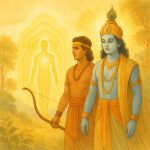
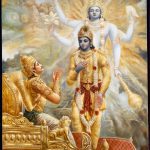
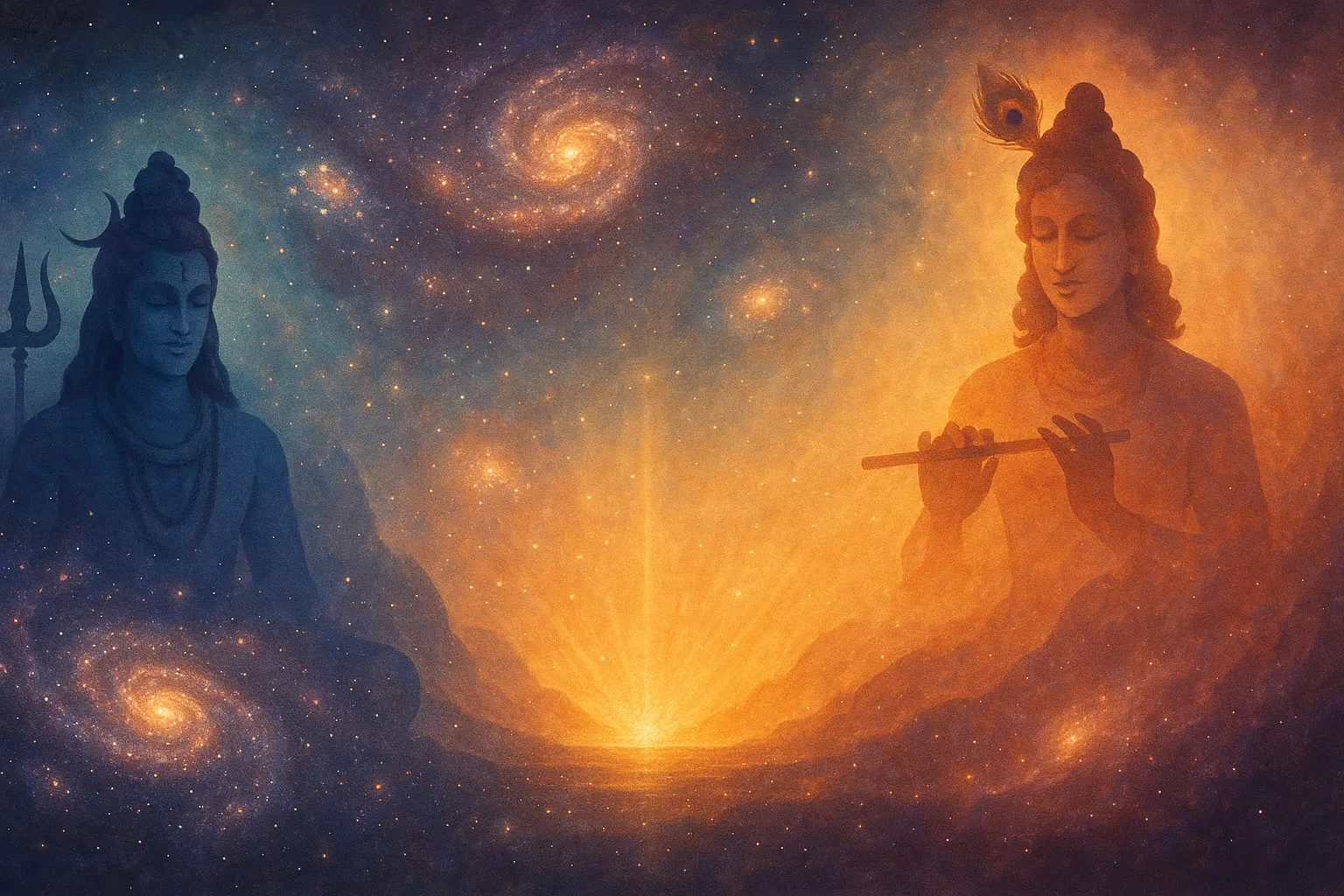
𝙀𝙫𝙚𝙣 𝙩𝙝𝙚 𝙜𝙧𝙚𝙖𝙩 𝙄𝙨𝙝𝙫𝙖𝙧𝙖 𝙝𝙤𝙣𝙤𝙪𝙧𝙨 𝙩𝙝𝙞𝙨 𝙘𝙤𝙨𝙢𝙞𝙘 𝙡𝙖𝙬. 𝙏𝙝𝙤𝙪𝙜𝙝 𝙃𝙚 𝙨𝙩𝙖𝙣𝙙𝙨 𝙗𝙚𝙮𝙤𝙣𝙙 𝙖𝙡𝙡 𝙥𝙝𝙖𝙨𝙚𝙨, 𝙃𝙚 𝙖𝙡𝙡𝙤𝙬𝙨 𝙃𝙞𝙢𝙨𝙚𝙡𝙛 𝙩𝙤 𝙢𝙤𝙫𝙚 𝙬𝙞𝙩𝙝𝙞𝙣 𝙩𝙝𝙚𝙢. Shiva, the serene destroyer, is worshipped by millions precisely because He embodies this principle. And Krishna—whose will sustains creation—watched in tranquil acceptance as His own Yadukula dissolved before His eyes and Dwaraka sank into the sea. In the Rāmāyaṇa, even the glorious Ayodhyā could not resist time; submerged and transformed, Lava and Kuśa moved elsewhere to rule.
𝙄𝙛 𝙚𝙫𝙚𝙣 𝙩𝙝𝙚 𝙙𝙞𝙫𝙞𝙣𝙚 𝙙𝙤𝙚𝙨 𝙣𝙤𝙩 𝙫𝙞𝙤𝙡𝙖𝙩𝙚 𝙘𝙤𝙨𝙢𝙞𝙘 𝙡𝙖𝙬, 𝙝𝙤𝙬 𝙘𝙖𝙣 𝙬𝙚?
Yet we humans resist pralaya more than anything else.
– We cling.
– We preserve beyond reason.
– We idolise longevity and fear endings.
Business families often refuse to close dying ventures, attempting to breathe life into brands whose time has passed. 𝘽𝙪𝙩 𝙬𝙝𝙚𝙣 𝙢𝙞𝙣𝙞-𝙥𝙧𝙖𝙡𝙖𝙮𝙖 𝙞𝙨 𝙣𝙤𝙩 𝙚𝙢𝙗𝙧𝙖𝙘𝙚𝙙 𝙬𝙞𝙡𝙡𝙞𝙣𝙜𝙡𝙮, 𝙛𝙪𝙡𝙡 𝙥𝙧𝙖𝙡𝙖𝙮𝙖 𝙞𝙨 𝙛𝙤𝙧𝙘𝙚𝙙, 𝙗𝙧𝙞𝙣𝙜𝙞𝙣𝙜 𝙝𝙚𝙖𝙫𝙮 𝙡𝙤𝙨𝙨𝙚𝙨 𝙖𝙣𝙙 𝙝𝙪𝙢𝙞𝙡𝙞𝙖𝙩𝙞𝙤𝙣.
States and communities do the same—clinging to decaying buildings in the name of heritage, forgetting that decay itself is part of the building’s legacy. 𝙏𝙤 𝙥𝙧𝙚𝙨𝙚𝙧𝙫𝙚 𝙚𝙫𝙚𝙧𝙮𝙩𝙝𝙞𝙣𝙜 𝙚𝙣𝙙𝙡𝙚𝙨𝙨𝙡𝙮 𝙞𝙨 𝙩𝙤 𝙙𝙞𝙨𝙩𝙤𝙧𝙩 𝙩𝙝𝙚 𝙤𝙧𝙞𝙜𝙞𝙣𝙖𝙡 𝙛𝙖𝙧 𝙢𝙤𝙧𝙚 𝙩𝙝𝙖𝙣 𝙖𝙡𝙡𝙤𝙬𝙞𝙣𝙜 𝙞𝙩 𝙖 𝙙𝙞𝙜𝙣𝙞𝙛𝙞𝙚𝙙 𝙚𝙣𝙙.
Even languages undergo pralaya. They arise, flourish, fade. Many Bhāratīya languages are still spoken but seldom written. I read Kannada easily, yet I rarely write or type it. The younger generation barely reads at all. Thus the ideal of preserving linguistic purity has already dissolved—not because its era ended, but because we surrendered to the coloniser’s language. And even English, once dominant, is now reduced to slangs in big cities. 𝙀𝙫𝙚𝙣 𝙡𝙖𝙣𝙜𝙪𝙖𝙜𝙚𝙨 𝙙𝙞𝙨𝙨𝙤𝙡𝙫𝙚.
Thus, conscious pralaya—deliberate dissolution—creates space for fresh beginnings. 𝙄𝙩 𝙞𝙨 𝙣𝙤𝙩 𝙖𝙗𝙧𝙪𝙥𝙩 𝙙𝙚𝙨𝙩𝙧𝙪𝙘𝙩𝙞𝙤𝙣 𝙗𝙪𝙩 𝙖 𝙨𝙚𝙖𝙨𝙤𝙣 𝙤𝙛 𝙧𝙚𝙣𝙚𝙬𝙖𝙡 𝙧𝙚𝙘𝙤𝙜𝙣𝙞𝙨𝙚𝙙 𝙞𝙣 𝙩𝙞𝙢𝙚.
Truth, indeed, is stranger than fiction. Consistency, which should be a source of strength and growth, can itself become the seed of decay when it hardens into routine. 𝙏𝙝𝙚 𝙫𝙚𝙧𝙮 𝙨𝙩𝙖𝙗𝙞𝙡𝙞𝙩𝙮 𝙩𝙝𝙖𝙩 𝙣𝙪𝙧𝙩𝙪𝙧𝙚𝙨 𝙘𝙖𝙣 𝙖𝙡𝙨𝙤 𝙨𝙪𝙛𝙛𝙤𝙘𝙖𝙩𝙚.
𝘛𝘰 𝘭𝘪𝘷𝘦 𝘸𝘪𝘴𝘦𝘭𝘺 𝘪𝘴 𝘵𝘰 𝘴𝘦𝘦 𝘵𝘩𝘦 𝘳𝘩𝘺𝘵𝘩𝘮:
𝙘𝙧𝙚𝙖𝙩𝙚, 𝙨𝙪𝙨𝙩𝙖𝙞𝙣, 𝙖𝙣𝙙 𝙡𝙚𝙩 𝙜𝙤—
𝙖𝙜𝙖𝙞𝙣 𝙖𝙣𝙙 𝙖𝙜𝙖𝙞𝙣—
𝙖𝙨 𝙩𝙝𝙚 𝙪𝙣𝙞𝙫𝙚𝙧𝙨𝙚 𝙝𝙖𝙨 𝙖𝙡𝙬𝙖𝙮𝙨 𝙙𝙤𝙣𝙚, 𝙖𝙣𝙙 𝙬𝙞𝙡𝙡 𝙛𝙤𝙧𝙚𝙫𝙚𝙧 𝙙𝙤.
— Govind Das (ISKCON MEMBER)