
 A person’s psycho-physical nature remains unchanged despite shifts in external belief systems. While beliefs may refine habits, they cannot erase the deeper psychological upbringing. As Sri Krishna declares in the Bhagavad Gita (3.33): “𝘌𝘷𝘦𝘯 𝘢 𝘮𝘢𝘯 𝘰𝘧 𝘬𝘯𝘰𝘸𝘭𝘦𝘥𝘨𝘦 𝘢𝘤𝘵𝘴 𝘢𝘤𝘤𝘰𝘳𝘥𝘪𝘯𝘨 𝘵𝘰 𝘩𝘪𝘴 𝘰𝘸𝘯 𝘯𝘢𝘵𝘶𝘳𝘦, 𝘧𝘰𝘳 𝘦𝘷𝘦𝘳𝘺𝘰𝘯𝘦 𝘧𝘰𝘭𝘭𝘰𝘸𝘴 𝘵𝘩𝘦 𝘯𝘢𝘵𝘶𝘳𝘦 𝘩𝘦 𝘩𝘢𝘴 𝘢𝘤𝘲𝘶𝘪𝘳𝘦𝘥 𝘧𝘳𝘰𝘮 𝘵𝘩𝘦 𝘵𝘩𝘳𝘦𝘦 𝘮𝘰𝘥𝘦𝘴. 𝘞𝘩𝘢𝘵 𝘤𝘢𝘯 𝘳𝘦𝘱𝘳𝘦𝘴𝘴𝘪𝘰𝘯 𝘢𝘤𝘤𝘰𝘮𝘱𝘭𝘪𝘴𝘩?”
This verse profoundly reveals that external imposition cannot force internal transformation. Instead, true evolution occurs when one remains rooted in his own nature rather than imitating others. Therefore, Sri Krishna advises in the Bhagavad Gita (2.47): “𝘠𝘰𝘶 𝘩𝘢𝘷𝘦 𝘢 𝘳𝘪𝘨𝘩𝘵 𝘵𝘰 𝘱𝘦𝘳𝘧𝘰𝘳𝘮 𝘺𝘰𝘶𝘳 𝘱𝘳𝘦𝘴𝘤𝘳𝘪𝘣𝘦𝘥 𝘥𝘶𝘵𝘺, 𝘣𝘶𝘵 𝘺𝘰𝘶 𝘢𝘳𝘦 𝘯𝘰𝘵 𝘦𝘯𝘵𝘪𝘵𝘭𝘦𝘥 𝘵𝘰 𝘵𝘩𝘦 𝘧𝘳𝘶𝘪𝘵𝘴 𝘰𝘧 𝘢𝘤𝘵𝘪𝘰𝘯. 𝘕𝘦𝘷𝘦𝘳 𝘤𝘰𝘯𝘴𝘪𝘥𝘦𝘳 𝘺𝘰𝘶𝘳𝘴𝘦𝘭𝘧 𝘵𝘩𝘦 𝘤𝘢𝘶𝘴𝘦 𝘰𝘧 𝘵𝘩𝘦 𝘳𝘦𝘴𝘶𝘭𝘵𝘴 𝘰𝘧 𝘺𝘰𝘶𝘳 𝘢𝘤𝘵𝘪𝘷𝘪𝘵𝘪𝘦𝘴, 𝘢𝘯𝘥 𝘯𝘦𝘷𝘦𝘳 𝘣𝘦 𝘢𝘵𝘵𝘢𝘤𝘩𝘦𝘥 𝘵𝘰 𝘯𝘰𝘵 𝘥𝘰𝘪𝘯𝘨 𝘺𝘰𝘶𝘳 𝘥𝘶𝘵𝘺.” This illuminates the essence of self-realization—emphasizing the execution of duties in alignment with one’s inherent nature.
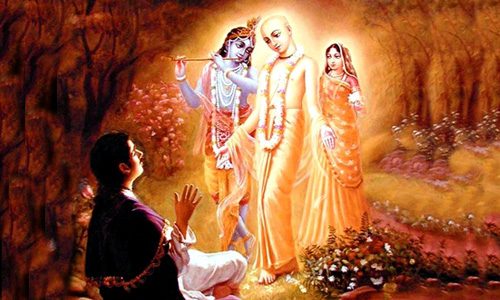
True spirituality is not about abandoning one’s nature but refining it through devotion and self-realization. Sri Chaitanya Mahaprabhu exemplified this truth—though a sannyasi, He embodied boundless kindness without discrimination while meticulously upholding the disciplines of renunciation. His path continues to inspire countless seekers, leaving a lasting influence to this day.
For instance, He strictly adhered to the principles of detachment, choosing specific places to honor food (prasad), aligning with the Bhagavad Gita’s guidance (17.8): “𝘍𝘰𝘰𝘥𝘴 𝘥𝘦𝘢𝘳 𝘵𝘰 𝘵𝘩𝘰𝘴𝘦 𝘪𝘯 𝘵𝘩𝘦 𝘮𝘰𝘥𝘦 𝘰𝘧 𝘨𝘰𝘰𝘥𝘯𝘦𝘴𝘴 𝘪𝘯𝘤𝘳𝘦𝘢𝘴𝘦 𝘵𝘩𝘦 𝘥𝘶𝘳𝘢𝘵𝘪𝘰𝘯 𝘰𝘧 𝘭𝘪𝘧𝘦, 𝘱𝘶𝘳𝘪𝘧𝘺 𝘰𝘯𝘦’𝘴 𝘦𝘹𝘪𝘴𝘵𝘦𝘯𝘤𝘦 𝘢𝘯𝘥 𝘨𝘪𝘷𝘦 𝘴𝘵𝘳𝘦𝘯𝘨𝘵𝘩, 𝘩𝘦𝘢𝘭𝘵𝘩, 𝘩𝘢𝘱𝘱𝘪𝘯𝘦𝘴𝘴 𝘢𝘯𝘥 𝘴𝘢𝘵𝘪𝘴𝘧𝘢𝘤𝘵𝘪𝘰𝘯.” Sri Chaitanya embodied these principles even in His approach to food, demonstrating His commitment to preserving the purity of His sannyasa vows.
In contrast, Sri Krishna, not being a sannyasi, freely ate with the Gopas in the pastures, sometimes even mischievously snatching food from their plates, as described in the Bhagavata Purana. This highlights the contrast in their respective roles and approaches. As Sri Krishna mentions in the Bhagavad Gita (10.8), “𝘐 𝘢𝘮 𝘵𝘩𝘦 𝘴𝘰𝘶𝘳𝘤𝘦 𝘰𝘧 𝘢𝘭𝘭 𝘴𝘱𝘪𝘳𝘪𝘵𝘶𝘢𝘭 𝘢𝘯𝘥 𝘮𝘢𝘵𝘦𝘳𝘪𝘢𝘭 𝘸𝘰𝘳𝘭𝘥𝘴. 𝘌𝘷𝘦𝘳𝘺𝘵𝘩𝘪𝘯𝘨 𝘦𝘮𝘢𝘯𝘢𝘵𝘦𝘴 𝘧𝘳𝘰𝘮 𝘔𝘦. 𝘛𝘩𝘦 𝘸𝘪𝘴𝘦 𝘸𝘩𝘰 𝘱𝘦𝘳𝘧𝘦𝘤𝘵𝘭𝘺 𝘬𝘯𝘰𝘸 𝘵𝘩𝘪𝘴 𝘦𝘯𝘨𝘢𝘨𝘦 𝘪𝘯 𝘔𝘺 𝘥𝘦𝘷𝘰𝘵𝘪𝘰𝘯𝘢𝘭 𝘴𝘦𝘳𝘷𝘪𝘤𝘦 𝘢𝘯𝘥 𝘸𝘰𝘳𝘴𝘩𝘪𝘱 𝘔𝘦 𝘸𝘪𝘵𝘩 𝘢𝘭𝘭 𝘵𝘩𝘦𝘪𝘳 𝘩𝘦𝘢𝘳𝘵𝘴.” His divine role allowed Him to transcend traditional social boundaries, engaging in playful interactions that manifest as expressions of His divine leela.
Whereas, Sri Chaitanya Mahaprabhu did not aim to change people’s positions but simply inspired them to cultivate affection, devotion, and service to the divine. He did not disrupt society but gave a touch of divinity to their existing life. As stated in Bhagavad Gita (10.10), “𝘛𝘰 𝘵𝘩𝘰𝘴𝘦 𝘸𝘩𝘰 𝘢𝘳𝘦 𝘤𝘰𝘯𝘴𝘵𝘢𝘯𝘵𝘭𝘺 𝘥𝘦𝘷𝘰𝘵𝘦𝘥 𝘵𝘰 𝘴𝘦𝘳𝘷𝘪𝘯𝘨 𝘔𝘦 𝘸𝘪𝘵𝘩 𝘭𝘰𝘷𝘦, 𝘐 𝘨𝘪𝘷𝘦 𝘵𝘩𝘦 𝘶𝘯𝘥𝘦𝘳𝘴𝘵𝘢𝘯𝘥𝘪𝘯𝘨 𝘣𝘺 𝘸𝘩𝘪𝘤𝘩 𝘵𝘩𝘦𝘺 𝘤𝘢𝘯 𝘤𝘰𝘮𝘦 𝘵𝘰 𝘔𝘦.” His mission was to cultivate an internal transformation, not an external upheaval.
In Krishna’s leela, the Gopis did not become gurus, even though all Vaishnava gurus worship them. The Brahman patnis were sent back by Sri Krishna to their families, assuring them that they would be better situated in His remembrance rather than in His physical proximity. As Bhagavad Gita (9.22) states, “𝘛𝘩𝘰𝘴𝘦 𝘸𝘩𝘰 𝘢𝘭𝘸𝘢𝘺𝘴 𝘸𝘰𝘳𝘴𝘩𝘪𝘱 𝘔𝘦 𝘸𝘪𝘵𝘩 𝘦𝘹𝘤𝘭𝘶𝘴𝘪𝘷𝘦 𝘥𝘦𝘷𝘰𝘵𝘪𝘰𝘯, 𝘮𝘦𝘥𝘪𝘵𝘢𝘵𝘪𝘯𝘨 𝘰𝘯 𝘔𝘺 𝘵𝘳𝘢𝘯𝘴𝘤𝘦𝘯𝘥𝘦𝘯𝘵𝘢𝘭 𝘧𝘰𝘳𝘮 – 𝘵𝘰 𝘵𝘩𝘦𝘮 𝘐 𝘤𝘢𝘳𝘳𝘺 𝘸𝘩𝘢𝘵 𝘵𝘩𝘦𝘺 𝘭𝘢𝘤𝘬, 𝘢𝘯𝘥 𝘐 𝘱𝘳𝘦𝘴𝘦𝘳𝘷𝘦 𝘸𝘩𝘢𝘵 𝘵𝘩𝘦𝘺 𝘩𝘢𝘷𝘦.” There is hardly any incident of change of social position, for the ultimate goal is devotion and remembrance.
From a yoga perspective, one’s professional and social engagements hold no bearing on what one believes, adores, and worships. The Bhagavatam goes to the extent of naming Tuladhar, a shopkeeper, and Dharma Vyadha, a seller of meat—who, despite his occupation, was a devoted bhakta—among the exalted devotees.
Being vegetarian is not necessarily being spiritual; it is simply a clean life. Thus, having a superiority complex of being vegetarian can be toxic and violent in human interactions. This aligns with the teachings of Bhagavad Gita, that food in the mode of goodness is pure and offers nourishment, but superiority based on one’s dietary choices only serves to create division.
Sri Chaitanya Mahaprabhu’s mission was to touch the hearts of people, not to disrupt their social life. He emphasized devotion over social reformation, for where there is true devotion, there is no room for a superiority complex, and thus, social transformation unfolds naturally.
The path to the Divine is one of personal realization, not societal overhaul. At the same time, practicing spirituality does not confer social exclusivity. In mundane society, distinctions persist for the smooth functioning of the community—a well-qualified doctor cannot be replaced by an inexperienced novice, even if the latter is a sincere spiritualist. Similarly, the warrior cannot be replaced by a devotee shopkeeper in their respective roles. The Bhagavad Gita (3.35) makes it clear: “𝘐𝘵 𝘪𝘴 𝘧𝘢𝘳 𝘣𝘦𝘵𝘵𝘦𝘳 𝘵𝘰 𝘥𝘪𝘴𝘤𝘩𝘢𝘳𝘨𝘦 𝘰𝘯𝘦’𝘴 𝘱𝘳𝘦𝘴𝘤𝘳𝘪𝘣𝘦𝘥 𝘥𝘶𝘵𝘪𝘦𝘴, 𝘦𝘷𝘦𝘯 𝘵𝘩𝘰𝘶𝘨𝘩 𝘧𝘢𝘶𝘭𝘵𝘪𝘭𝘺, 𝘵𝘩𝘢𝘯 𝘢𝘯𝘰𝘵𝘩𝘦𝘳’𝘴 𝘥𝘶𝘵𝘪𝘦𝘴 𝘱𝘦𝘳𝘧𝘦𝘤𝘵𝘭𝘺.”
Sri Chaitanya Mahaprabhu did not start anything new but simply requested people to add heartfelt affection for Sri Krishna to their lives. Bhakti cultivates inner conviction rather than radical zeal to convert others while harboring envy or a superiority complex. Even when engaging in philosophical debates with opponents like Prakasanand Saraswati or Sarbabhauma Bhattacharya, Sri Chaitanya approached them with respect.
The beauty of Sri Chaitanya’s life lies in His non-invasive approach—extending unconditional love and freely distributing the priceless treasure of Harinaam (Holy Name) without discrimination, condition, or qualification. He did not impose rigid rules but allowed sincere devotees to embrace devotion at their own pace.
Sri Chaitanya neither sought control nor enforced authority; He simply made life easier by creating space and inspiring it to be filled with devotion. Bhakti is simple, yet many complicate it. But by remembering His teachings and life, one can experience peace, bliss, and fulfillment, just as Sri Krishna assures.
– Govinda Das (ISKCON Member)